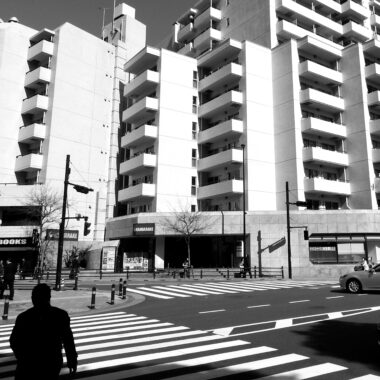
In Ljubljana, particularly in the Bežigrad area, a major construction boom is expected in the coming years. Several large projects are planned, collectively bringing thousands of new apartments to the market.
Table of Contents
Some projects already have building permits, others are in the approval process, and a few are still awaiting changes to municipal spatial plans (OPN). But the key question remains: will this increase in supply finally lead to lower real estate prices?
Key Projects in Bežigrad
Here are some specific figures for Bežigrad:
- Novi Bežigrad: 245 apartments planned.
- Near Špar Bežigrad: 300 new apartments in the pipeline.
- Parmova Street: approximately 500 apartments planned.
- Emonika: a long-anticipated project expected to deliver 187 apartments.
This means that nearly 1,000 new apartments could be expected in this area in the coming years.
Additional Projects by Corwin
If we add other planned developments by Corwin:
- Linhartov kvart: 240 apartments.
- Masarykova: 280 apartments.
- Kolinska: an ambitious project with 400 new apartments.
These add up to another 1,000 apartments, bringing the total to approximately 2,000 new apartments in this part of the city.
Expanding Towards BTC
That’s not all. Significant construction is also planned near the BTC area:
- Ivo Boscarol: aiming to build 1,000 new apartments.
- BTC Park: an additional 300 apartments planned.
When we include these projects, the total quickly climbs to 3,000 new apartments—and this doesn’t even account for other developments across Ljubljana or the plans of the City Municipality of Ljubljana (MOL).
Will More Supply Affect Prices?
The current challenge in Ljubljana’s real estate market is the limited supply. There are only about 7 listings per 1,000 households, which is far too low for a balanced market. To achieve stability and potentially reduce prices, at least 10 listings per 1,000 households would be necessary.
An increased supply of apartments could indeed stabilize prices and perhaps even lead to a reduction. However, the primary driver remains demand. Thanks to its location, quality of life, and limited land availability, Ljubljana continues to attract strong interest, keeping demand high.
2030: Enough Time for Change?
If all the aforementioned 3,000 apartments were built by 2030, it would certainly lead to significant market changes. However, the question is whether this would be sufficient to lower prices. If demand remains as strong as it is now, an increase in supply may only slow price growth rather than drive prices down.
Room for New Projects
At first glance, the figure of 3,000 new apartments seems substantial. However, the reality is that demand still outpaces supply. This indicates there’s room for additional projects and initiatives in the housing sector.
Final Thoughts
Large-scale construction projects will undoubtedly increase housing supply, but only time will tell if these changes will balance the market and potentially lower prices.
As Ljubljana continues to grow and evolve, these developments will play a critical role in shaping the city’s housing market. Will it finally lead to more affordable homes? That remains to be seen.