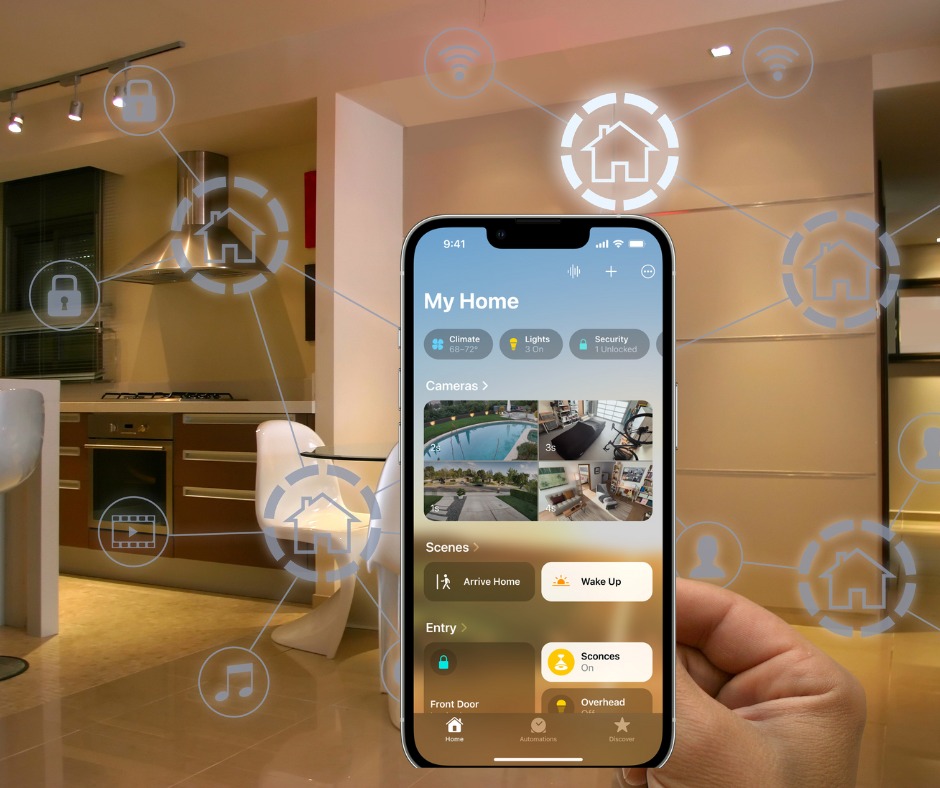
The smart home market has rapidly evolved from a luxury niche into one of the fastest-growing segments in residential technology. Today, the industry is broadly divided into two main categories: wired smart home systems and wireless smart home solutions — each serving different project types, user needs, and levels of integration.
Table of Contents
Wired systems have traditionally dominated high-end residential automation, known for their reliability, stability, and deep system integration. Wireless solutions, however, are now reshaping the market by making smart technology more accessible, scalable, and easier to implement across both new and existing properties.
The global smart home market is currently valued at over $170 billion, with projections expected to exceed $250 billion by 2030, driven by strong demand for energy optimization, security, convenience, and AI-powered automation.
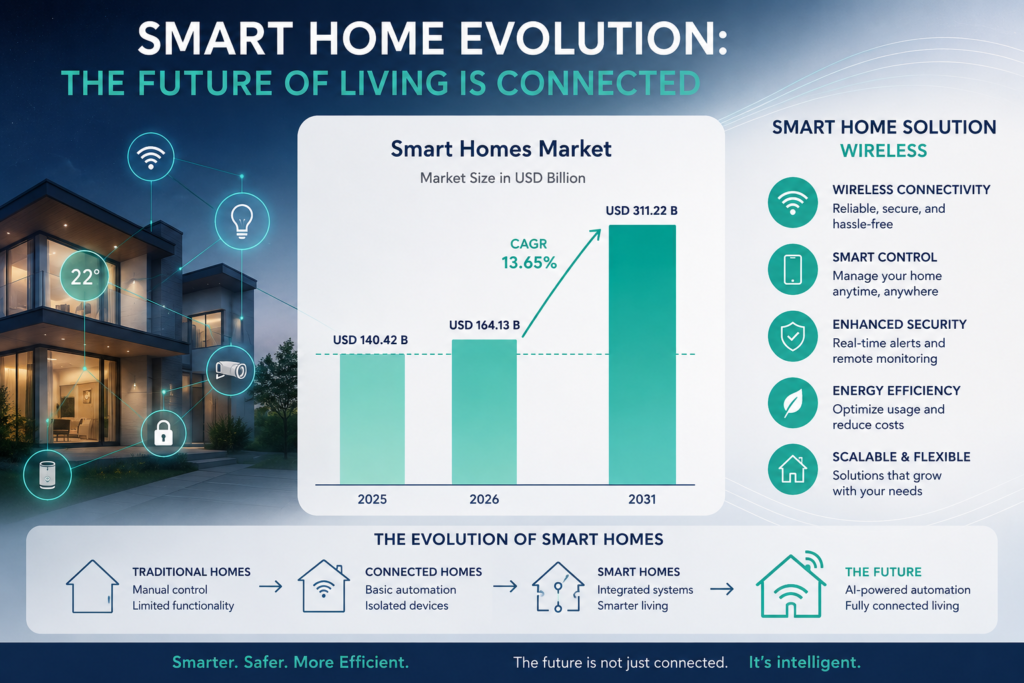
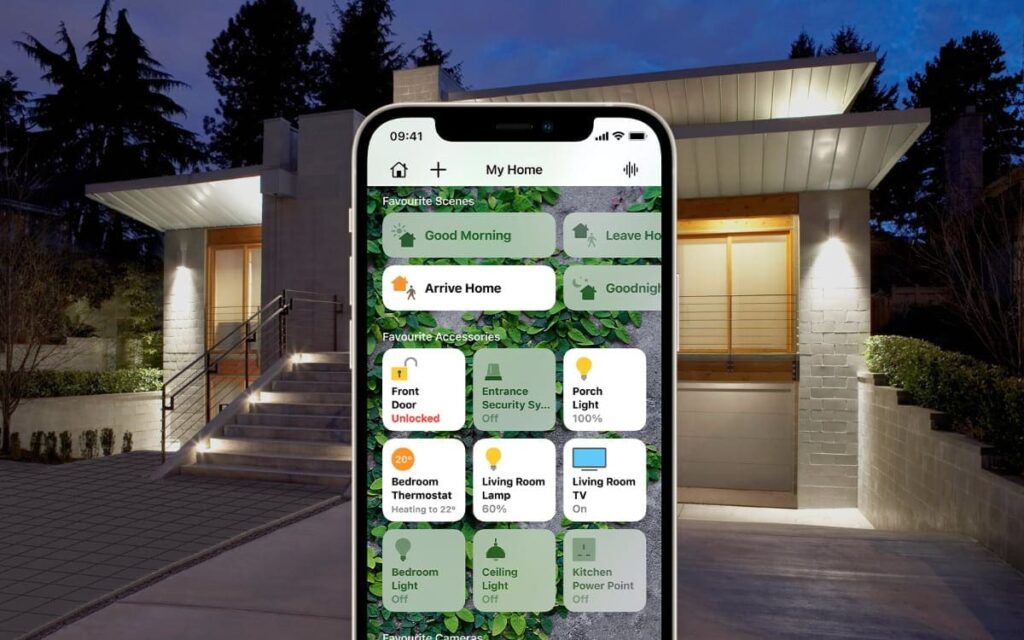
While wired infrastructure remains important for complex and premium installations, the strongest market growth is now happening in the wireless segment — fueled by technologies like Zigbee, Matter, and unified ecosystems such as Apple Home, Google Home, Amazon Alexa, and Samsung SmartThings.
This shift marks a new chapter in home automation: moving from isolated systems to fully connected, interoperable, and intelligent living environments.
WIRELESS SMART HOME: THE FASTEST-GROWING SEGMENT
Wireless smart home technology is leading the next wave of market growth.
Unlike traditional wired systems, wireless solutions offer unmatched flexibility, faster deployment, and significantly lower installation complexity — making them the ideal choice for both new construction projects and existing properties.
Whether integrated during the building phase or retrofitted into an already finished home, wireless systems allow homeowners and developers to deploy advanced automation without structural limitations.
This is where modern protocols like Zigbee and Matter are transforming the industry.
Zigbee: Reliable Mesh Communication
Zigbee has become one of the most trusted wireless standards in smart home automation, enabling:
* stable low-power communication
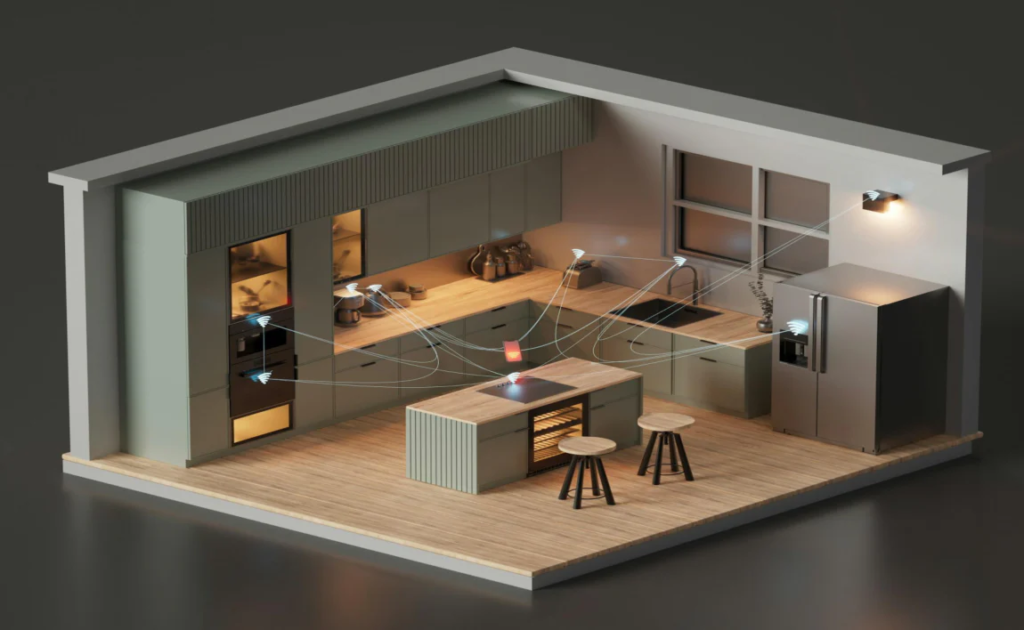
* mesh networking for extended coverage
* high device scalability
* fast response times
* increased system reliability
Its architecture allows devices to communicate with each other, creating a stronger and more resilient smart ecosystem as the system grows.
Matter: The New Universal Standard
Matter is changing everything.
Designed to unify the fragmented smart home market, Matter enables true interoperability between major ecosystems, removing compatibility barriers and simplifying installation.
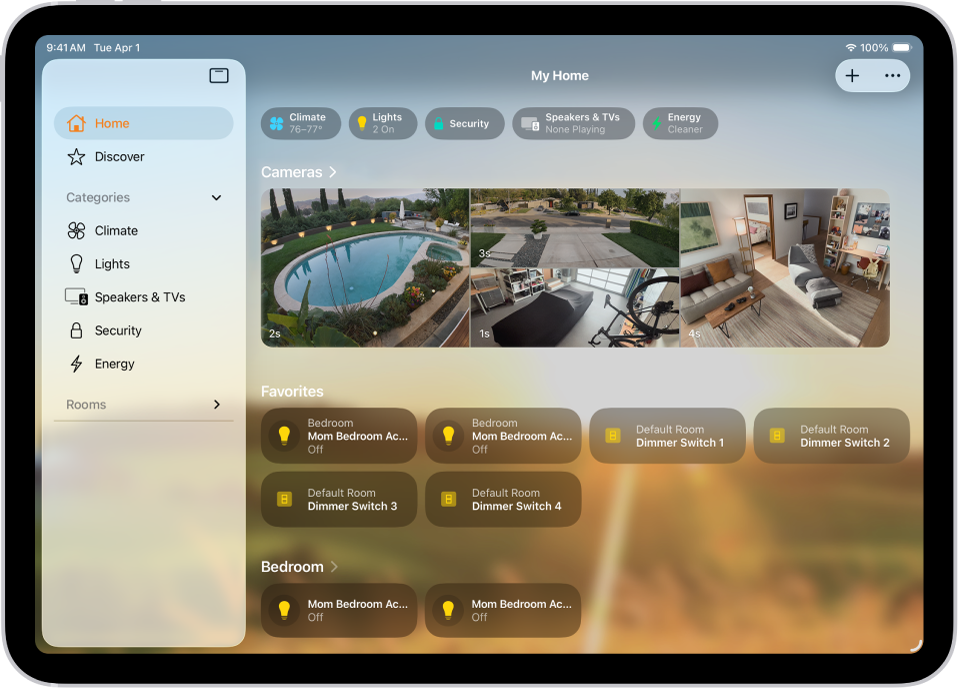
For the first time, users can build one smart home system that works seamlessly across:
* Apple Home
* Google Home
* Amazon Alexa
* Samsung SmartThings
This means greater flexibility, wider product compatibility, and future-proof infrastructure.
No vendor lock-in. No ecosystem limitations.
Just one connected home.
PERFECT FOR NEW BUILDS AND RETROFIT PROJECTS
One of the strongest advantages of wireless smart home systems is adaptability.
For new developments, wireless infrastructure reduces cabling requirements, simplifies planning, and accelerates installation timelines.
For existing homes, apartments, and renovation projects, wireless technology eliminates the need for major construction work while still delivering full smart functionality.
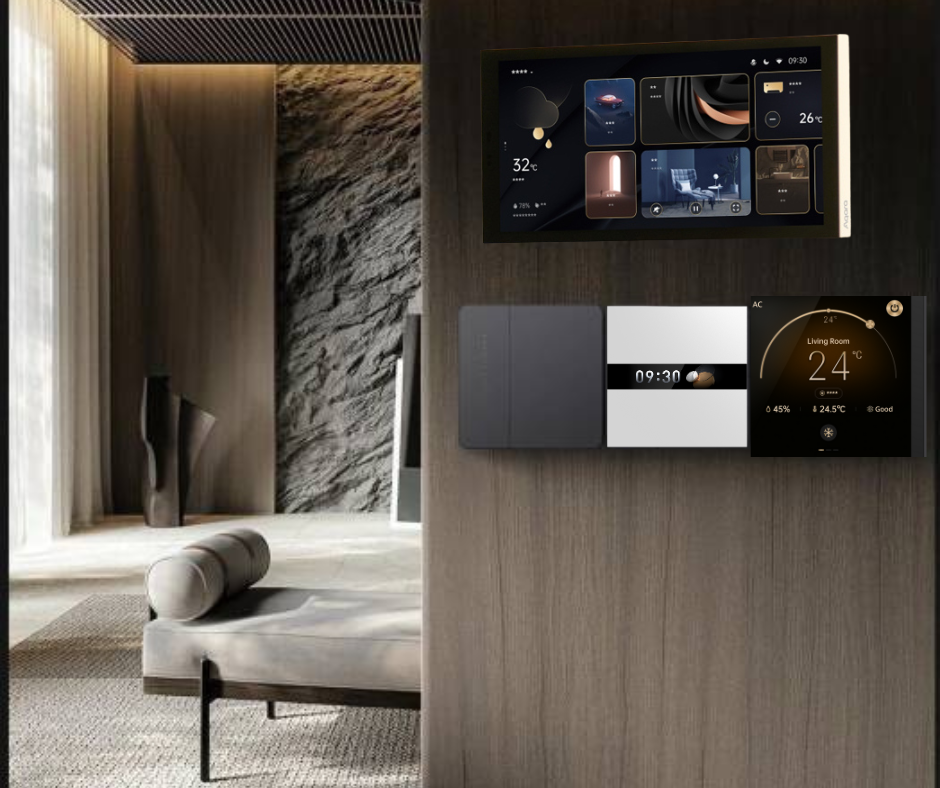
Lighting, heating, cooling, blinds, security systems, sensors, energy monitoring, and entertainment systems can all be integrated into one centralized ecosystem.
This makes wireless automation the most scalable and cost-efficient path to smart living.
WHAT’S NEXT?
The future of smart homes is shifting from automation to intelligence.
Over the next five years, the market will be dominated by:
* AI-driven home management
* predictive automation
* energy orchestration
* smart grid integration
* advanced health monitoring
* autonomous security systems
Homes will no longer just respond — they will anticipate.
Wireless infrastructure, powered by Zigbee, Matter, and cross-platform compatibility, will be at the center of this transformation.
SMART LIVING IS NO LONGER OPTIONAL
The question is no longer whether homes will become smart.
The question is how quickly the market will adapt.
Wireless smart home technology offers the perfect balance of innovation, flexibility, and long-term value — making it the strongest foundation for the future of residential living.